

Imagine a country without roads, schools, hospitals, or security forces. Who would build bridges, maintain peace, or ensure that every child has access to education? Behind all these essential services stands a powerful enabler: tax. Taxation is more than just a legal obligation it is the lifeblood of a functioning society. Tax is a mandatory contribution from individuals and organizations to the government, enabling it to meet the expenses incurred in the common interest of all, without offering direct personal benefits in return.
But why exactly do governments need these funds, and how are they used? Across the globe, governments perform a wide range of vital functions that touch every aspect of our daily lives from building infrastructure and protecting citizens to providing healthcare, education, and social welfare. This article explores why the government is focused on collecting taxes, fundamental roles governments play and how taxation fuels these responsibilities to create stable, secure, and progressive societies.
Here are functions’ performed by the governments in the world:
Development functions: It is the responsibility of the government to plan, develop, and maintain essential infrastructure that supports national growth and improves the quality of life for its citizens. This includes the construction and upkeep of efficient transport and communication networks, which are vital for the movement of people, goods, and information across the country. Additionally, the government plays a key role in advancing agricultural systems by supporting research, providing subsidies, building irrigation facilities, and ensuring access to markets and technology for farmers.
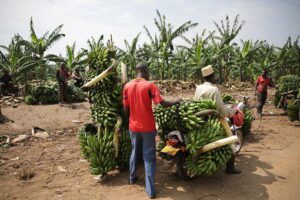
Beyond these sectors, the government is also tasked with strengthening the broader economic infrastructure such as energy supply, water resources, industrial zones, and financial institutions—to create a stable and sustainable environment for investment, trade, and job creation. By fulfilling these development functions, the government lays the foundation for long-term economic growth, poverty reduction, and social progress.
Protection: A good government must ensure the security of its people from external aggression and internal security must be provided. This is done through the National Intelligence Service (NIS) National Police Service (NPS) and the Kenya Defence Forces (KDF).
National Administration: The government oversees the administration and coordination of the country through clear chain of command from regional and county units down to sub- county, location, sub-location and village. This makes government services more accessible.
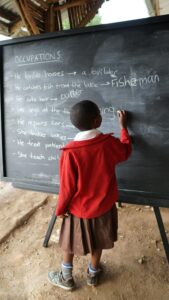
Social functions: The government plays a crucial role in promoting the well-being of its citizens by providing essential social services and infrastructure. These include the provision of affordable housing, accessible and quality education, and comprehensive healthcare services. Additionally, the government invests in social welfare programs such as unemployment benefits, pensions, disability support, and food assistance to protect vulnerable populations. Public safety services like policing, fire departments, and disaster relief also fall under its social responsibilities. Through these efforts, the government aims to reduce inequality, promote social stability, and ensure a decent standard of living for all members of society.
WHY GOVERNMENT LEVY TAXES
Have you ever wondered why governments are so focused on collecting taxes? While paying taxes might not be the most exciting part of adult life, it plays a vital role in the functioning of a country. Whether you’re buying a loaf of bread or earning a salary, taxes are part of the system that keeps your nation running.
Here’s a breakdown of why taxes matter and how governments use them to shape the economy and improve the lives of citizens.
- Raising Revenue for Public Services
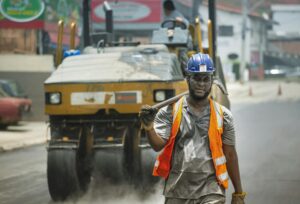
First and foremost, governments need money to operate. A large portion of this funding comes from taxes. Whether it’s income tax, VAT, or corporate tax, this revenue is used to fund both recurrent expenditure like paying public servants and capital expenditure like building roads, schools, and hospitals. Without this income, basic government functions would come to a standstill.
- Protecting Local Industries
Taxation isn’t just about raising money it’s also a tool for economic policy. To protect local businesses from being overwhelmed by cheaper or mass-produced foreign goods, governments impose import taxes or tariffs on similar foreign products. At the same time, local products may be exempt from certain taxes, making them more competitive. This kind of protectionist policy supports local manufacturing and job creation.
- Maintaining Economic Stability
Taxes also help stabilize the economy during tough times.
For example:
During inflation (when prices are rising), the government can increase tax rates to reduce the amount of money in circulation, cooling down the economy.
During deflation or economic slowdown, tax rates may be lowered to boost consumer spending and stimulate growth.
This approach helps to balance out economic highs and lows, ensuring a more stable financial environment for everyone.
- Promoting Fair Distribution of Wealth
A fair tax system can help bridge the gap between the rich and the poor. By taxing higher income earners at a higher rate, governments can collect more revenue from those who can afford it. That money can then be channelled into programs that support vulnerable communities, such as affordable healthcare, education, and social welfare helping to reduce inequality and improve living standards across the board.
- Guiding Resource Allocation
Taxes can also influence how resources are used, and which projects get funded. For example, items like alcohol and cigarettes often carry high excise duties, not only to discourage consumption but also to raise funds for critical sectors like education and public health. This ensures that revenue is directed toward areas of national importance, contributing to overall societal development.
- Creating Employment Opportunities
Lastly, tax revenue is key to supporting employment initiatives. Governments use tax money to fund public projects like building infrastructure or expanding public institutions which in turn create jobs. For example, organizations like the Teachers Service Commission (TSC) are funded through taxes, enabling them to hire and retain teachers nationwide.
Additionally, taxes can be used to bail out struggling public institutions, helping to prevent job losses and keep essential services running.
The next time you hear someone complain about taxes, you might just have a different perspective. Thank you for reading this article, have a fruit day, won’t you!!!
Very informative!
Such a refreshing read your perspective on tax is on point
If only the government would cut on corruption and evasions